Sustainable Fabric Selection Takes Center Stage in 2026

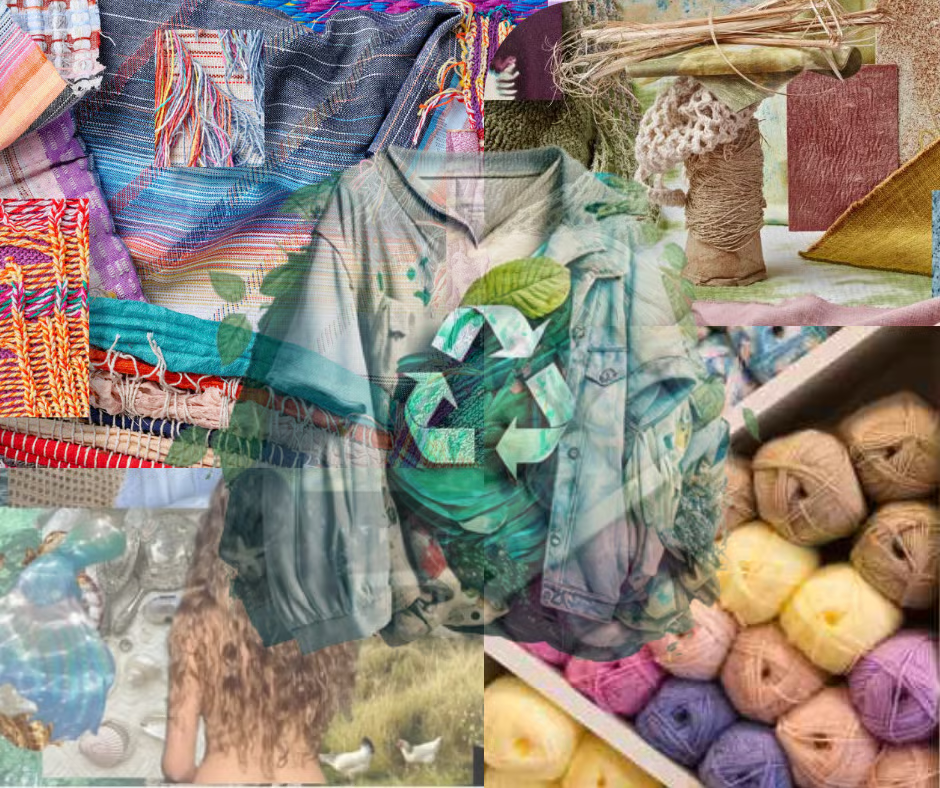
The Green Revolution in Fabric Sourcing Has Officially Arrived
The fabric selection landscape of 2026 is defined by one overriding imperative: sustainability. As environmental regulations tighten and consumer demand for transparency accelerates, brands across the globe are fundamentally rethinking the materials they choose — not just for image, but for long-term commercial survival.
Bio-based and recycled textiles are no longer niche alternatives. Fibers like Tencel, Seacell, Lyocell, and innovations derived from algae, mycelium, and mushrooms have become the new industry standard. Brands such as Stella McCartney, Adidas, and Patagonia are leading the charge, championing materials that combine ecological responsibility with high-end aesthetics. The global textile sector currently accounts for approximately 6–8% of global CO₂ emissions, making sustainable fabric selection not a trend, but a necessity.
What makes 2026 distinct from previous years is the shift from simply using sustainable materials to building scalable circularity. Brands are now designing for recycling from the outset — implementing fiber-to-fiber technologies that can handle complex textile blends and meet future regulatory requirements, including the Digital Product Passport (DPP) framework rolling out across Europe.
“By merging ecological responsibility with trend-driven design, these companies demonstrate that large-scale circular systems are key to reshaping the fashion landscape.” — Heuritech Fabric Innovation Report, 2026
Regenerative agriculture is also entering the conversation. Regenerative cotton, grown using farming practices that sequester carbon and restore soil health, is gaining traction. Blockchain-based traceability systems now allow consumers to trace a garment’s entire journey — from seed to shelf — providing verifiable transparency that commands premium pricing and builds genuine brand loyalty.
For designers and buyers, the message is clear: sustainable fabric selection in 2026 is not an add-on. It is the foundation of competitive, future-proof fashion. Source