Choosing Fabrics for Hotel Uniforms: Balance Elegance, Comfort, and Care

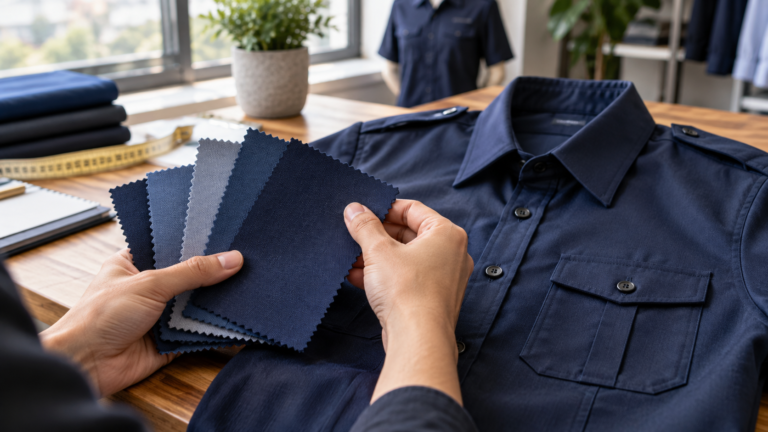
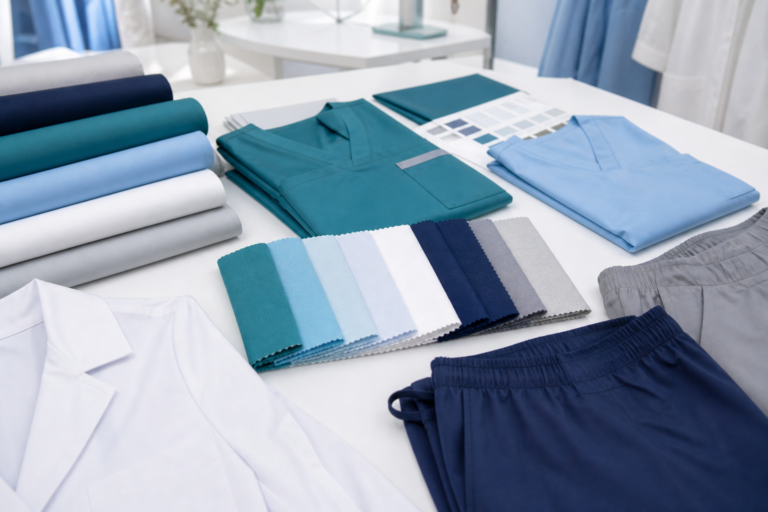
Hotel uniforms need to do more than look attractive. They must support service teams through long shifts, repeated movement, guest interaction, and frequent cleaning. Fabric selection is therefore one of the most important steps in building a reliable hospitality uniform program.
A successful hotel uniform fabric should match the brand atmosphere while remaining practical for daily operation. Lobby staff, restaurant teams, housekeeping, and kitchen support may all need different fabric solutions, even when they share the same overall design language.
Start with the Role
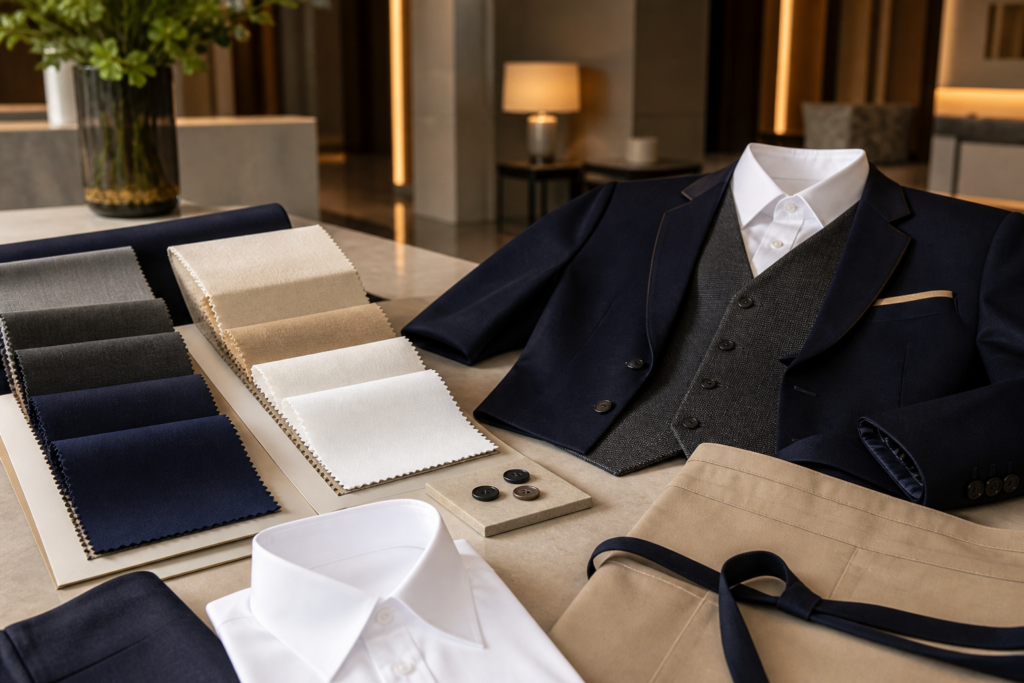
Different hotel positions have different fabric needs. Front desk and concierge uniforms often require a refined visual effect, so suiting fabrics, smooth shirting, and structured vests are common. Restaurant and banquet teams need fabrics that look polished but allow comfortable movement.
Housekeeping and back-of-house teams may need stronger fabrics with easy-care performance and stable color. For aprons and utility garments, twill and blended fabrics can provide a practical balance between structure and comfort.
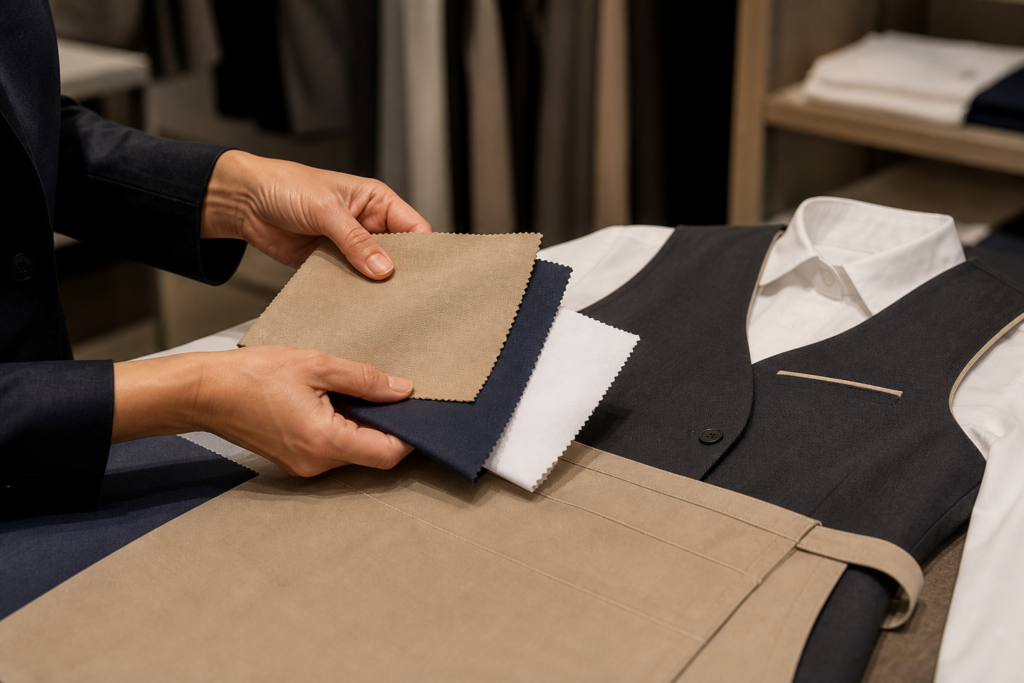
Match Fabric to the Hotel Image
Luxury hotels may prefer smooth textures, deeper colors, and subtle trims. Lifestyle hotels may choose softer fabrics, lighter colors, or more relaxed silhouettes. The fabric should support the mood of the property without creating extra maintenance pressure.
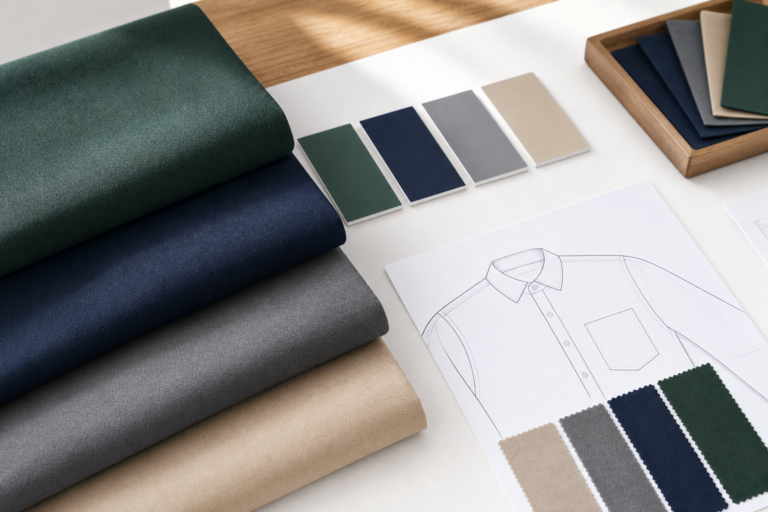
Color consistency is also important. Navy, beige, charcoal, white, and black are common hospitality colors because they are easy to coordinate across different roles and seasons.
Confirm Care and Wearing Performance
Before bulk production, buyers should check fabric hand feel, shrinkage, color fastness, wrinkle behavior, and comfort after washing. A hotel uniform will be judged by guests many times, not only on the first day of delivery.
Good fabric selection makes the uniform easier to wear, easier to maintain, and more consistent with the hotel’s service image.