Smart Fabric Selection: How Technology Is Rewiring the Textile Industry

From Passive Material to Active Intelligence: Fabric Selection in the Age of Smart Textiles
The definition of “fabric selection” has been permanently transformed in 2026. Selecting a textile is no longer merely a matter of color, weight, or weave — it now involves choosing a functional system capable of monitoring health, regulating body temperature, and even generating its own energy.
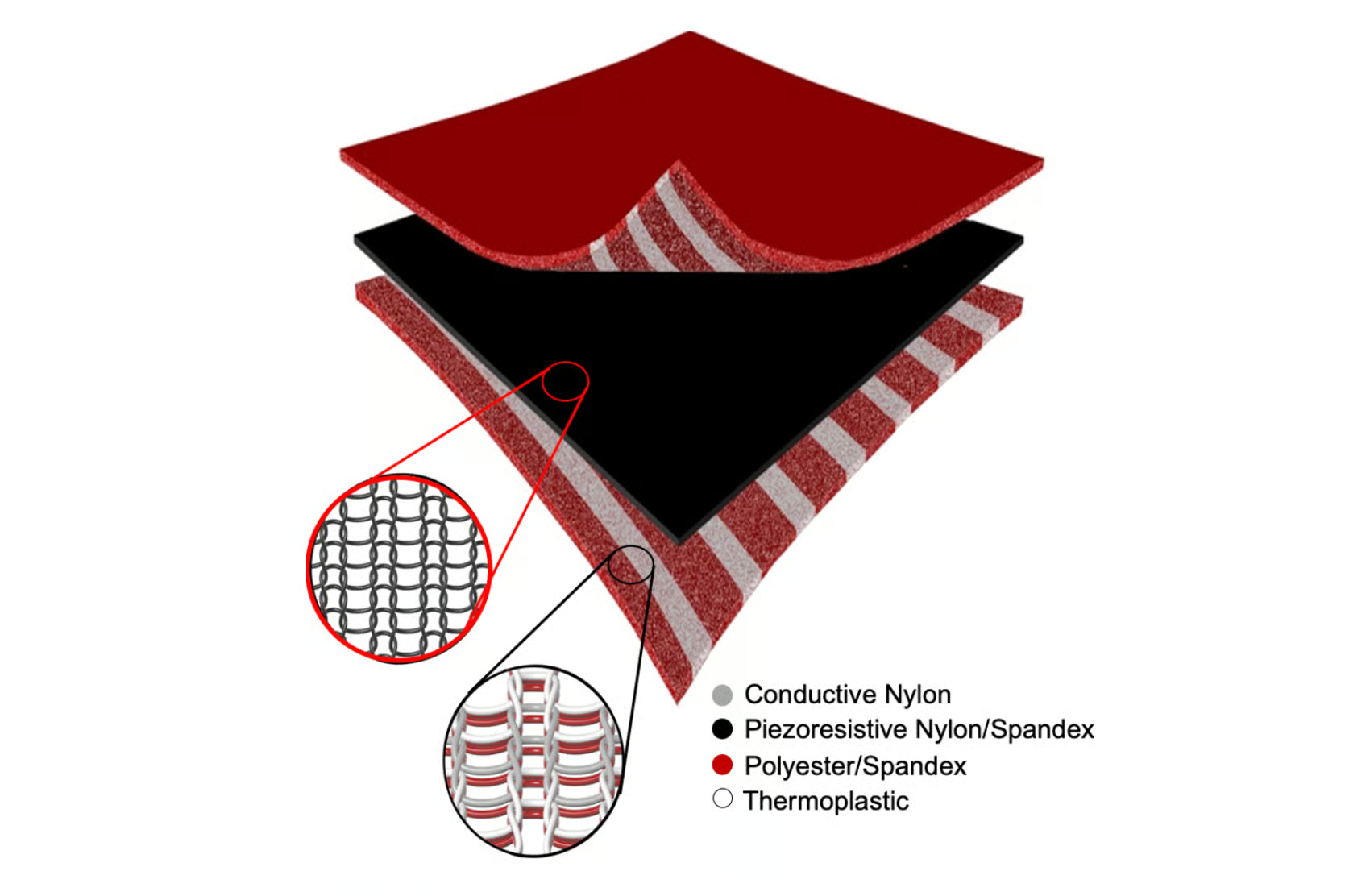
Smart textiles — fabrics embedded with sensors, conductive yarns, and responsive coatings — have graduated from experimental novelty to mainstream commercial product. In sportswear, luxury fashion, and home textiles alike, integrated-sensor fabrics are tracking body temperature, hydration levels, heart rate, and movement data in real time. The result is a garment that functions as both a fashion statement and a wearable health platform.
Key innovations shaping smart fabric selection this year include:
- Thermo-regulating fabrics using phase-change materials that automatically adjust to body temperature and environment, offering extended wear seasons without sacrificing comfort
- Moisture-wicking smart textiles combining advanced breathability with athletic performance, blurring the boundary between professional attire and activewear
- Nano-coated fabrics with superhydrophobic, antimicrobial, and odor-fighting properties that dramatically extend garment lifespan while maintaining a luxury look and feel
- Self-healing textiles capable of repairing small tears and resisting bacterial growth — significantly reducing replacement cycles and material waste
The challenge for brands in 2026 is not capability, but sustainability of integration. As garments collect increasingly sensitive consumer data (health metrics, activity patterns), strict privacy compliance frameworks — including GDPR and emerging textile data standards — are becoming central to the smart fabric sourcing process. Furthermore, the modular design of embedded electronics must now account for end-of-life recyclability, with brands investing in separable electronic components to reduce e-waste.
According to industry analysts, the home textile segment is experiencing particularly rapid smart fabric adoption — with responsive materials redefining everyday comfort in bedding, upholstery, and smart home environments well into 2026 and beyond. Source