Moisture-Wicking Finishes and Breathable Weaves: What Uniform Buyers Should Know

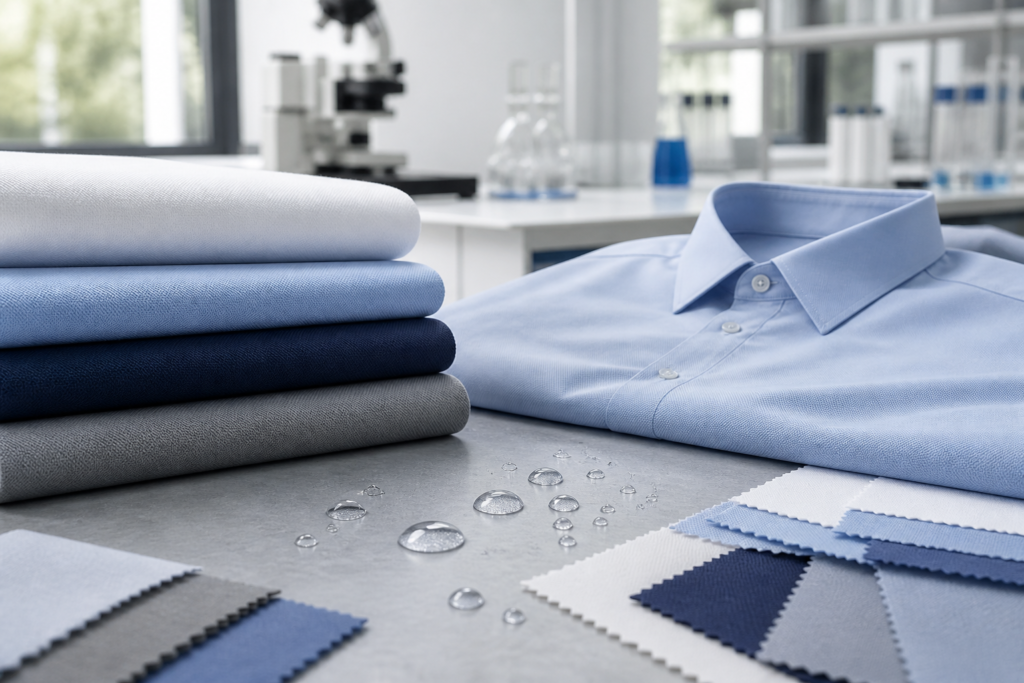
Comfort is one of the first requirements in modern uniform fabric development. For teams working in warm rooms, busy service areas, clinics, warehouses, or outdoor conditions, fabric choice can strongly affect how fresh and professional the uniform feels through the day.
Two common ideas are often discussed together: moisture-wicking finishes and breathable fabric structures. They are related, but they are not the same. Understanding the difference helps buyers choose fabrics more accurately for each role.
What Moisture-Wicking Means
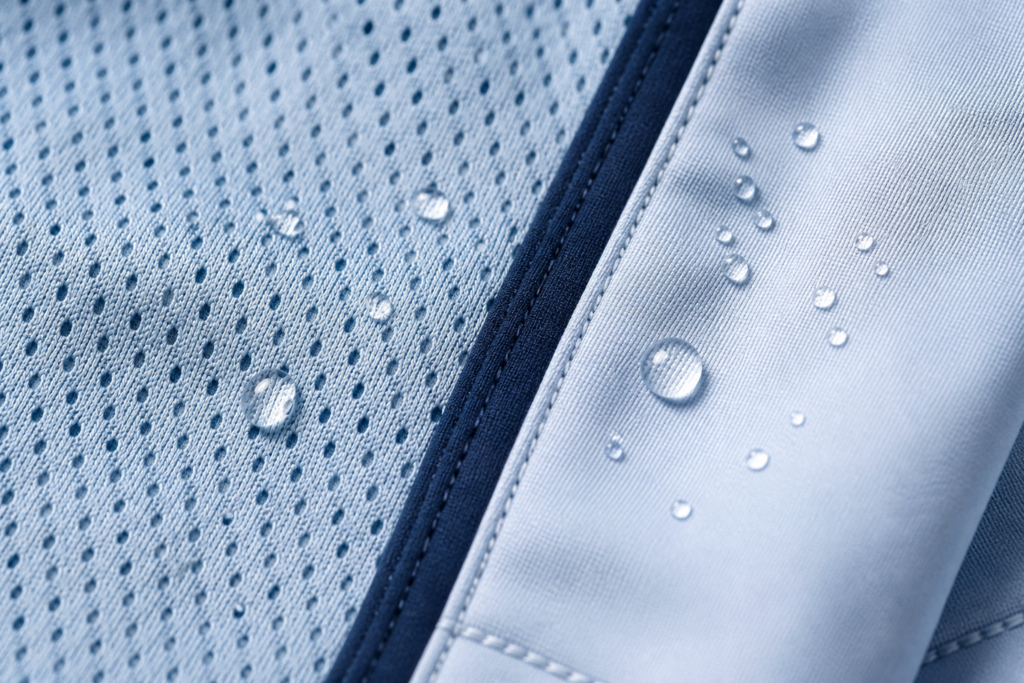
Moisture-wicking usually refers to the way a fabric moves moisture away from the skin or inner surface. This may be supported by fiber choice, yarn structure, fabric construction, or a finishing process. The goal is to help the garment feel drier and more comfortable during active wear.
For uniforms, this can be useful in polo shirts, scrub tops, service shirts, training uniforms, and workwear layers that are worn for long shifts.
What Breathability Means
Breathability is more about air and vapor movement through the fabric. A breathable weave, mesh panel, or lighter construction can help reduce stuffiness. However, a very open structure may not always be suitable for formal uniforms or durable workwear.
This is why fabric selection should balance comfort with appearance, opacity, strength, and care performance.
Review the Finished Garment
A fabric may look promising as a swatch, but the final result depends on garment design. Lining, pocket layers, collars, trims, and fit can all change how comfortable the uniform feels.
Before bulk production, buyers should review a finished sample after washing and wearing trials. The right fabric should support comfort without sacrificing the professional image of the team.