How to Build a Fabric System for Multi-Role Corporate Uniforms

A corporate uniform program rarely succeeds with one fabric used across every garment. Reception teams, sales staff, technicians and outdoor employees may share one visual identity, but their daily movement, climate exposure and care requirements are often very different.
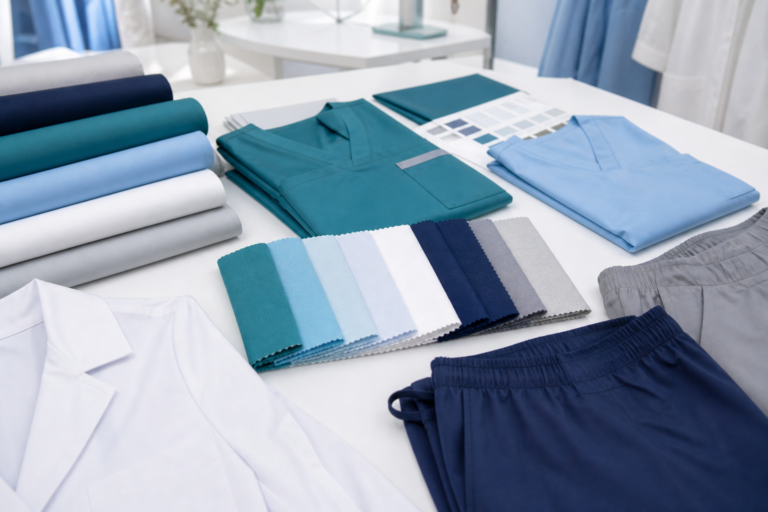
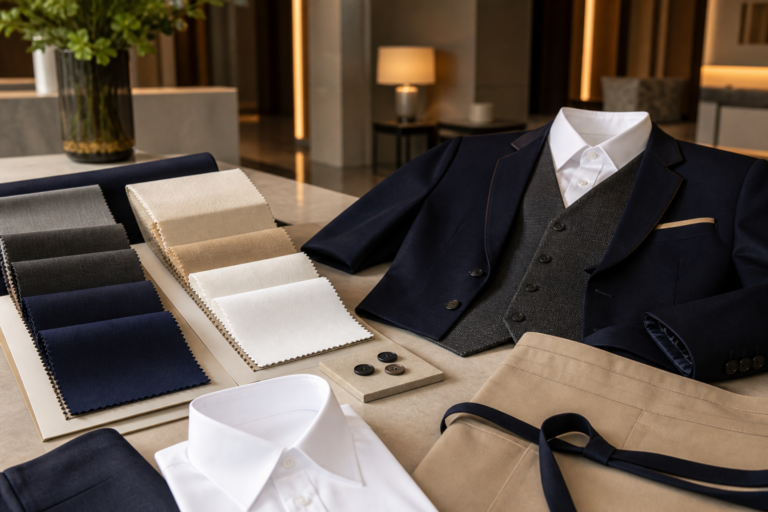
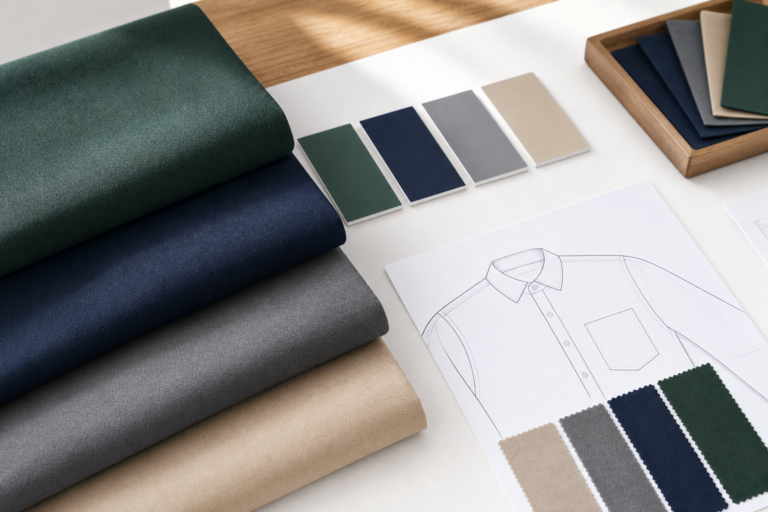
The most effective approach is to build a coordinated fabric system. This means selecting compatible materials for each role while keeping the colors, texture level and overall appearance consistent across the collection.
Start with the Wearer’s Daily Conditions
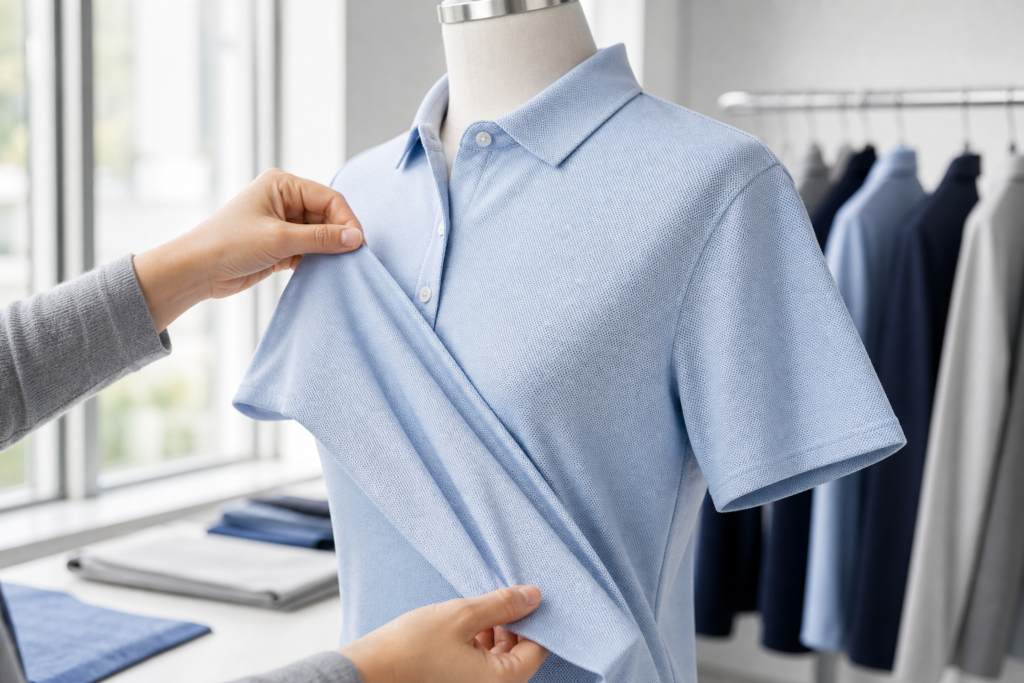
For customer-facing shirts and blouses, a smooth poplin or cotton-rich woven fabric can deliver a clean, professional finish. For active teams, breathable piqué knits and quick-drying technical fabrics may offer better comfort throughout long shifts. Trousers usually need more structure and abrasion resistance, so a durable twill with a small amount of stretch can be a practical choice.
Keep the Collection Visually Connected
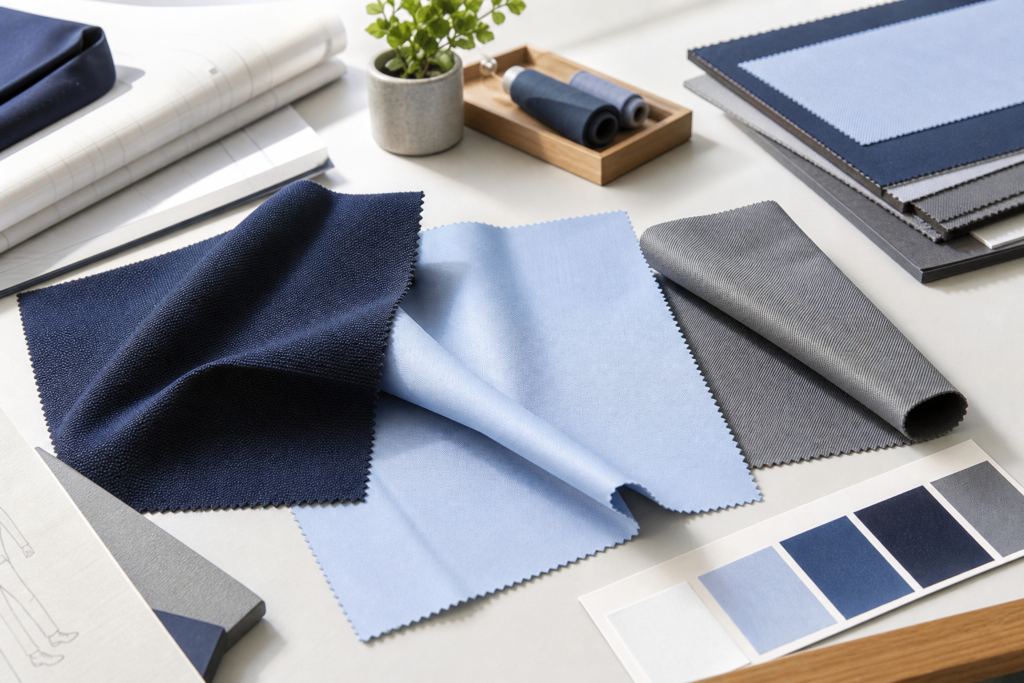
Different fabrics do not need to look unrelated. A shared palette can connect navy polos, light-blue shirts, grey trousers and outer layers into one recognizable uniform system. Texture should also be considered: a matte woven shirt, a subtle piqué polo and a refined stretch trouser can work well together when their colors and finishing are planned as a group.
Approve with Real-World Testing
Before production, evaluate swatches and complete garments under real conditions. Check opacity in daylight, movement at the shoulders and knees, recovery after sitting, color stability after washing and how the uniform looks at the end of a shift. Small wear trials with each employee group can reveal issues that a showroom review may miss.
The goal is not to find one “perfect” fabric. It is to select the right fabric for every role, then bring those choices together in a coherent and practical uniform program.