The New Smart Casual Uniform: Polished, Comfortable and Easy to Wear

niform design is moving away from rigid, one-note formality. Today’s teams still need to look professional, but they also expect garments that feel natural during a full day of meetings, travel and movement. This is why smart casual uniform design has become an important direction for modern businesses.
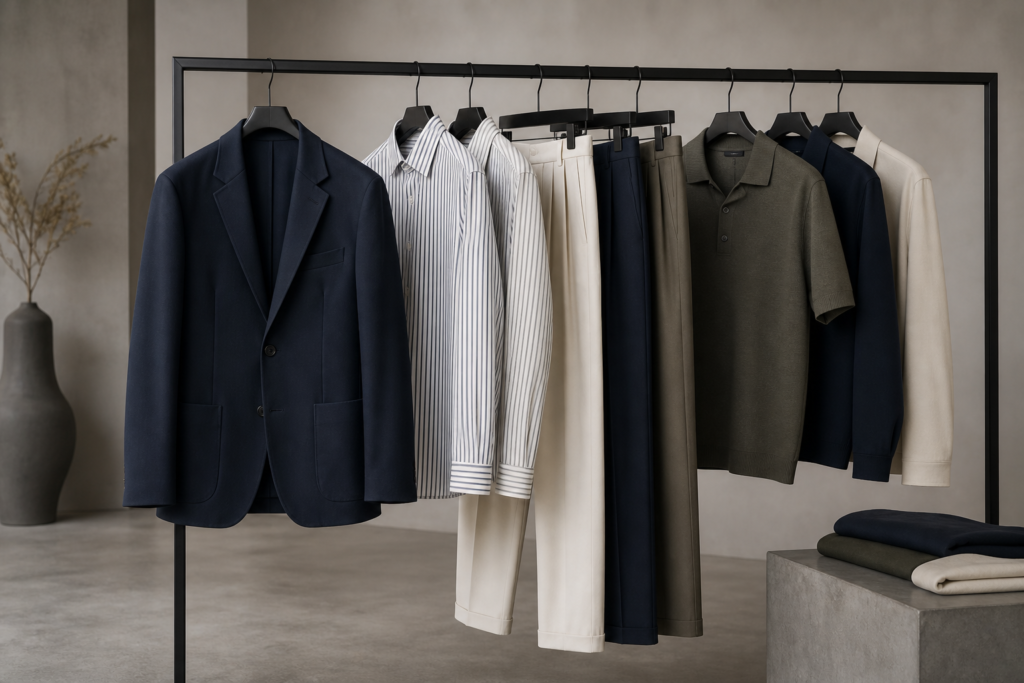
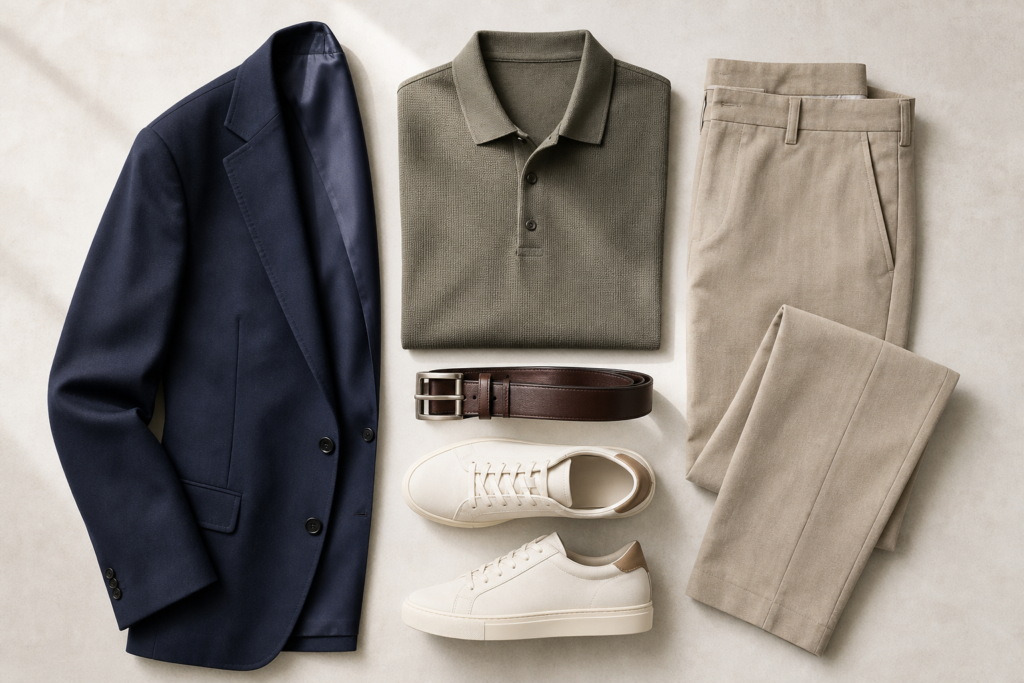
The idea is simple: preserve a clear, coordinated appearance while using softer tailoring, more flexible fabrics and everyday silhouettes. A relaxed blazer, textured polo, tailored chino and overshirt can communicate the same level of professionalism as a traditional uniform while feeling far easier to wear.
Build from Flexible Core Pieces
A well-designed smart casual collection begins with versatile essentials. A lightweight blazer can elevate a client-facing look without the stiffness of a heavily constructed suit. Knit polos and fine-gauge sweaters offer a more approachable alternative to formal shirts. Trousers with a clean cut and comfortable stretch keep the silhouette neat while supporting daily movement.
Use Color and Texture to Create Identity
Rather than relying on bold branding, many modern uniform collections use controlled color palettes and fabric texture to create recognition. Deep navy, stone, charcoal, muted olive and soft blue are easy to coordinate and photograph well. A subtle stripe, a textured knit or a matte overshirt can add interest without making the team look inconsistent.
Make It Easy to Maintain
Style only works when employees can maintain it. Fabrics should recover from creasing, tolerate regular laundering and retain their shape. Garments should also be designed as a system, allowing employees to mix pieces according to the season, job role and level of customer contact.
Smart casual uniforms create a more human, contemporary image. With the right fabric and fit, they help teams look consistent without feeling over-dressed.