Understanding Suiting Fabrics: Texture, Drape, and Daily Use


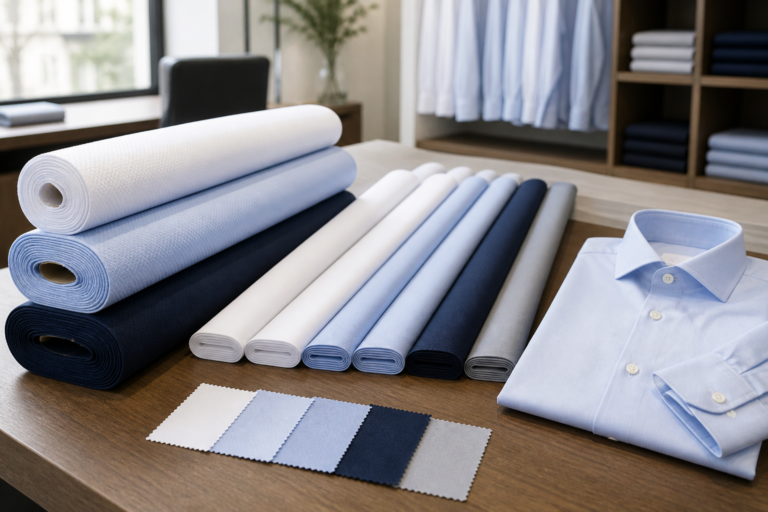
Suiting fabric sets the foundation for how a jacket looks and feels in daily wear. Before focusing on color, buyers should consider the fabric’s surface texture, weight, structure, and drape. These factors affect the way a suit holds its shape, moves with the wearer, and coordinates with the rest of a business wardrobe.
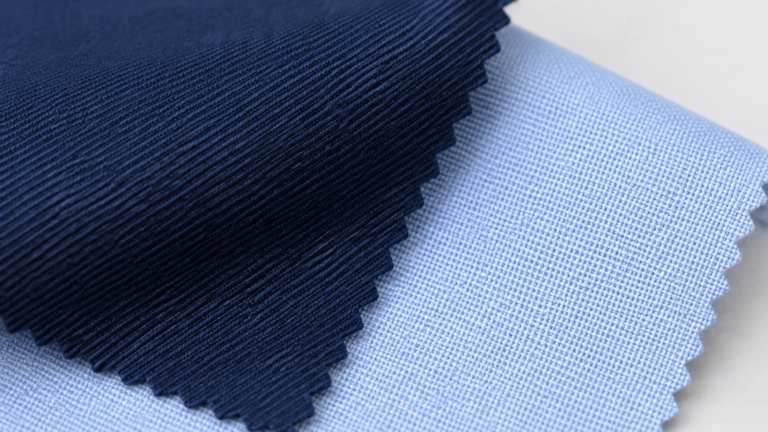
Fine plain-weave fabrics usually create a smooth, clean appearance. They are often chosen when the goal is a simple, formal look with minimal visual texture. Twill fabrics have a visible diagonal pattern and can add depth to navy, charcoal, and gray suit colors. Herringbone provides another subtle texture, giving a suit more character without making the design overly bold.

Drape is equally important. A fabric with a softer drape can make a jacket feel more relaxed, while a fabric with more body can create a sharper, more structured silhouette. The best choice depends on the intended use, the design direction, and the level of formality the buyer wants to achieve.
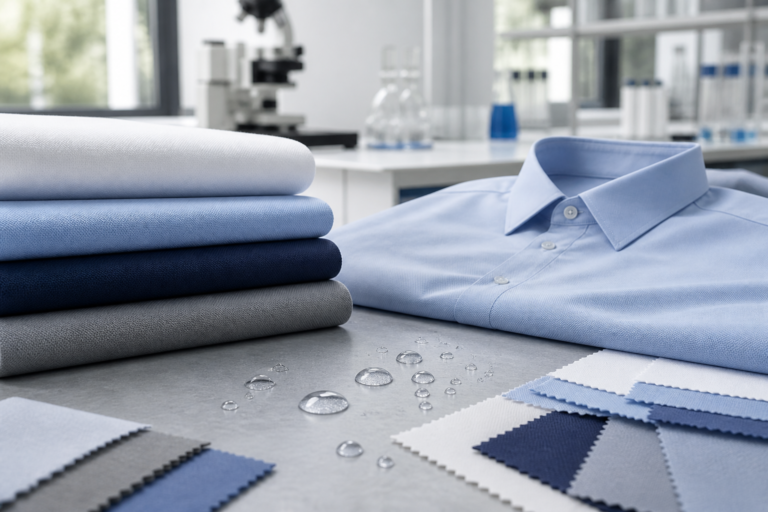
For a corporate suit program, a fabric review should also include practical checks. Buyers can compare color consistency, surface appearance under indoor light, wrinkle behavior, and the way the fabric looks after sample pressing and fitting. These checks help the team make a more informed decision before production.
Choosing suiting fabric is not about finding one universal answer. It is about matching texture and structure to the people, setting, and appearance goals of the finished suit.