Mastering the Art of Suit Fabrics: A Complete Guide to Wool Varieties and Weaves


London, October 12, 2025 – Understanding suit fabrics has become essential knowledge for the modern professional, as the variety and quality of available materials continue to expand. From traditional wool to innovative blends, today’s suit fabrics offer unprecedented options for customization and performance.
Wool remains the cornerstone of fine suiting, with distinctions that significantly impact both appearance and comfort. The Super number system, ranging from Super 100s to Super 250s, indicates the fineness of the wool fiber. Higher Super numbers denote finer, softer fabrics, though they also require more careful handling. Super 120s to Super 150s represent the sweet spot for most professionals, offering luxury feel with practical durability.
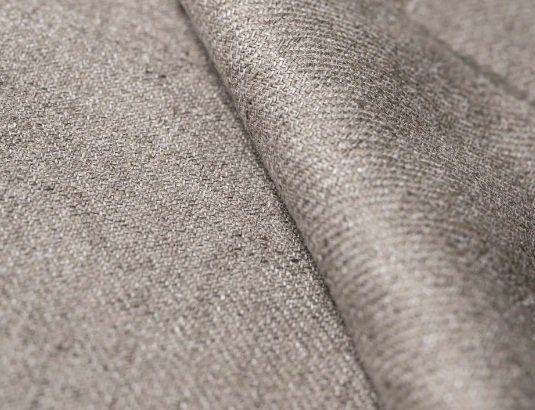
The source of wool matters tremendously in determining fabric quality. Australian Merino wool, known for its fine staple length and consistency, produces some of the world’s finest suiting materials. Meanwhile, British wools, particularly from Scotland, are prized for their durability and traditional character. These regional differences create distinct fabric personalities that experienced tailors can identify by touch alone.
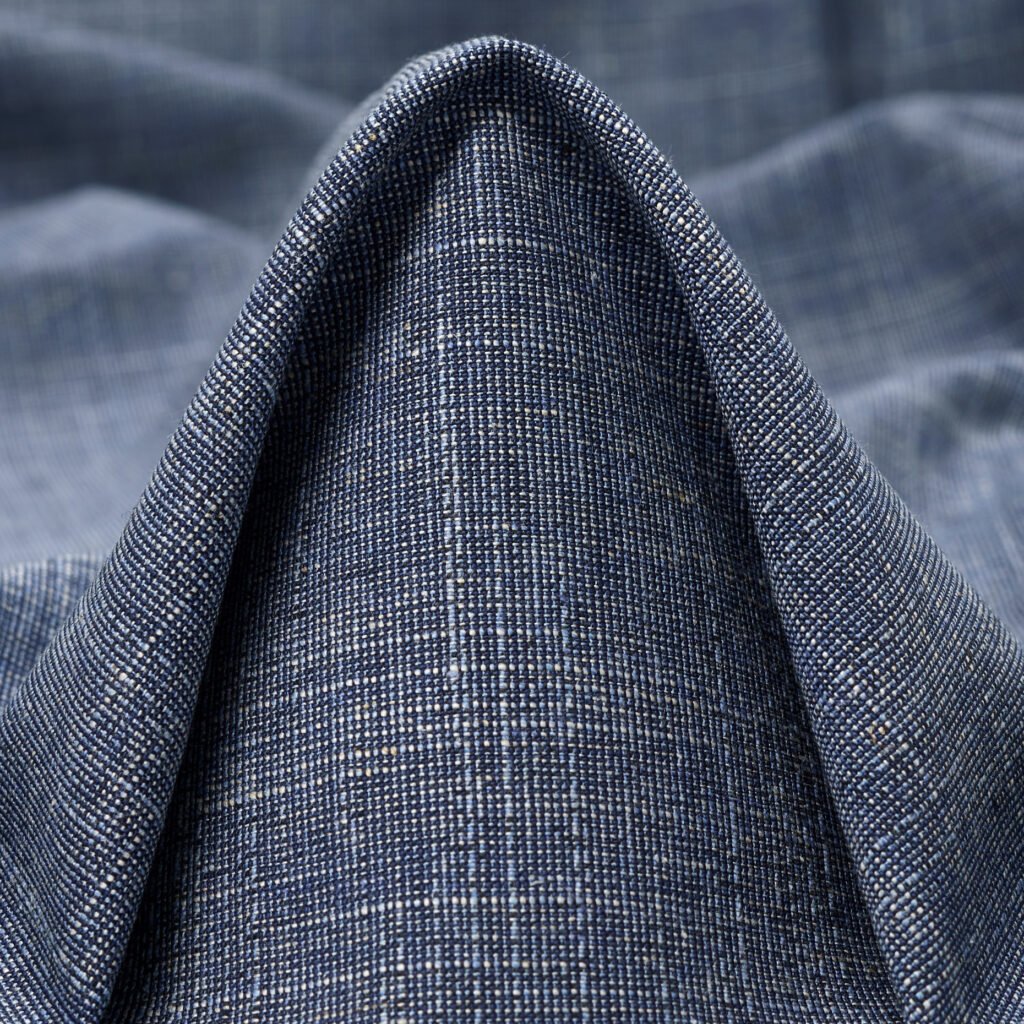
Weave patterns play an equally crucial role in fabric performance and appearance. The classic plain weave creates smooth, formal fabrics ideal for business settings. Twill weaves, characterized by diagonal ribbing, offer enhanced drape and wrinkle resistance, making them excellent for travel suits. Herringbone and houndstooth patterns add visual interest while maintaining professional appropriateness.
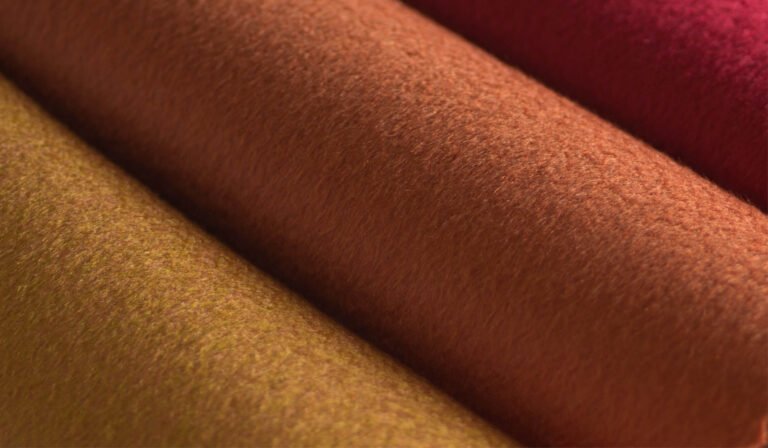
Seasonal considerations heavily influence fabric selection. Tropical wools, woven with a more open structure, provide breathability for warmer climates while maintaining the formal appearance required for business wear. Flannel, with its brushed surface, offers warmth and texture perfect for autumn and winter months. The weight of fabric, measured in ounces per square yard, guides seasonal appropriateness, with 12-14 oz fabrics ideal for year-round wear.
Modern fabric innovation has introduced performance elements without sacrificing traditional aesthetics. Wool-cashmere blends combine durability with luxury, while small percentages of stretch fibers enhance comfort and movement. These technical advances address contemporary lifestyle demands while preserving the classic appearance that defines quality suiting.
Color and pattern selection in suit fabrics requires understanding of how different weaves interact with dyes and treatments. Solid colors showcase fabric quality most clearly, while subtle patterns like pinstripes or checks can camouflage minor imperfections while adding visual interest. The interaction between weave structure and color creates depth and character that distinguish premium fabrics from mass-market alternatives.
Proper fabric selection ultimately depends on intended use, personal style, and maintenance preferences. Understanding these fundamentals empowers consumers to make informed decisions that result in suits that not only look exceptional but perform reliably over years of wear.
The investment in quality fabric knowledge pays dividends in both professional appearance and garment longevity, making it an essential skill for anyone serious about their wardrobe.